
Skilled Nursing and Rehabilitation: Keep Grandparents Active
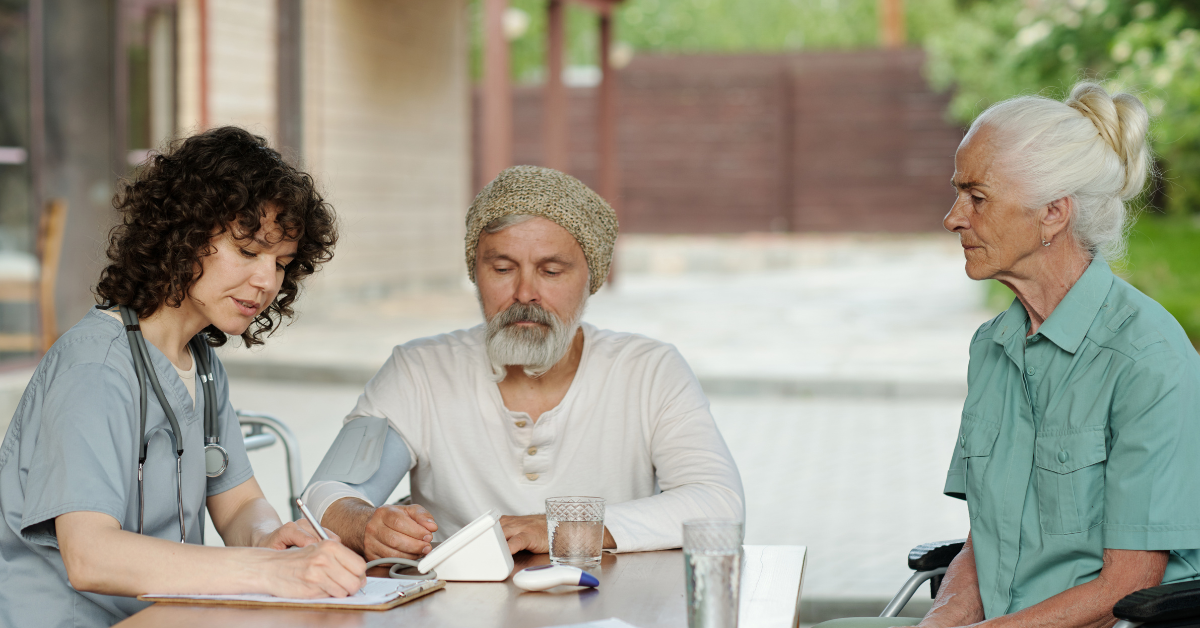
Skilled nursing and rehabilitation services support your loved ones through recovery from surgery, illness or injury, while helping them hold onto their independence along the way. Short-term rehabilitation brings together physical, occupational and speech therapies to rebuild strength and function before seniors return home.
Knowing what skilled nursing and rehabilitation actually do and when they matter most helps families make thoughtful decisions about their loved one's recovery and independence.
This article walks through how skilled nursing and rehabilitation centers help grandparents stay active, what programs make that possible and how your involvement as a family member shapes the outcome.
Why Do Grandparents Need Skilled Nursing and Rehabilitation Services?
Skilled nursing and rehabilitation services help grandparents regain strength, improve mobility and recover well-being after a hospitalization, illness or surgery while reducing the risk of further functional decline. Research published highlights that hospitalization can lead to a loss of physical function in residents, making timely rehabilitation an important part of helping them return to daily life. (J Am Geriatr Soc, 2022)
Why Does Recovery Often Continue After Leaving the Hospital?
Leaving the hospital doesn't always mean the recovery process is complete. Many older adults need additional support to rebuild strength, improve balance and well-being perform everyday tasks again. Without ongoing therapy and skilled nursing care, it can become much harder to return to previous routines.
Brookside Commons provides short-term rehabilitation and skilled nursing services designed to support recovery through coordinated, individualized care. Depending on each person's needs, the care team may include:
- Physical therapy
- Occupational therapy to support daily living skills
- Speech therapy for communication or swallowing challenges
- Skilled nursing care with ongoing medical oversight
- Individualized treatment plans focused on personal recovery goals
How Can Skilled Rehabilitation Help Your Grandparent Regain Independence?
Recovery looks different for every person, which is why personalized rehabilitation matters. The goal isn't simply to heal from an illness or injury, it's to help your grandparent regain comfort, confidence, function and as much independence as possible.
At Brookside Commons, therapy and nursing professionals work together to create care plans that adapt as progress is made. This team-based approach helps support a smoother transition from hospital to home while encouraging continued recovery every step of the way.
What Types of Rehabilitation Programs Keep Grandparents Moving?
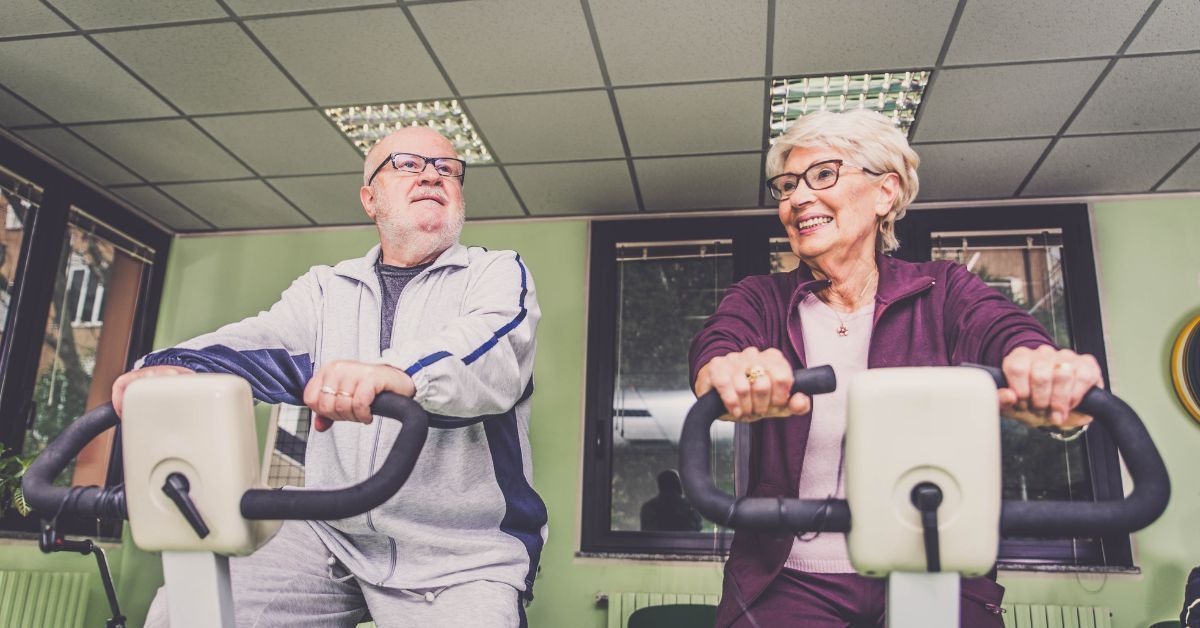
Recovering after surgery, illness or an injury often takes more than time. At Brookside Commons, skilled nursing and rehabilitation focus on helping you rebuild strength, improve daily function and work toward a comfortable return home. Every therapy plan is personalized to your needs and goals, with a compassionate team supporting your progress every step of the way.
Therapies That Support Your Recovery
Rehabilitation combines several therapy services to help you regain confidence in everyday life.
- Physical therapy helps improve strength, balance, flexibility and mobility, making it easier to walk, move comfortably, and perform daily activities.
- Occupational therapy focuses on everyday tasks such as dressing, bathing, grooming and other routines that promote greater independence.
- Speech therapy supports communication, cognitive skills and swallowing, helping residents participate more comfortably in daily life.
Working Together for a Successful Return Home
Recovery is most effective when every member of your care team works toward the same goal. At Brookside Commons, therapists, nurses and caregivers collaborate to monitor your progress, adjust your care plan as needed and prepare you for a smooth transition home. Discharge planning and restorative care help ensure you have the support and confidence to continue your recovery beyond your stay.
How Families Can Support Grandparents During Rehabilitation
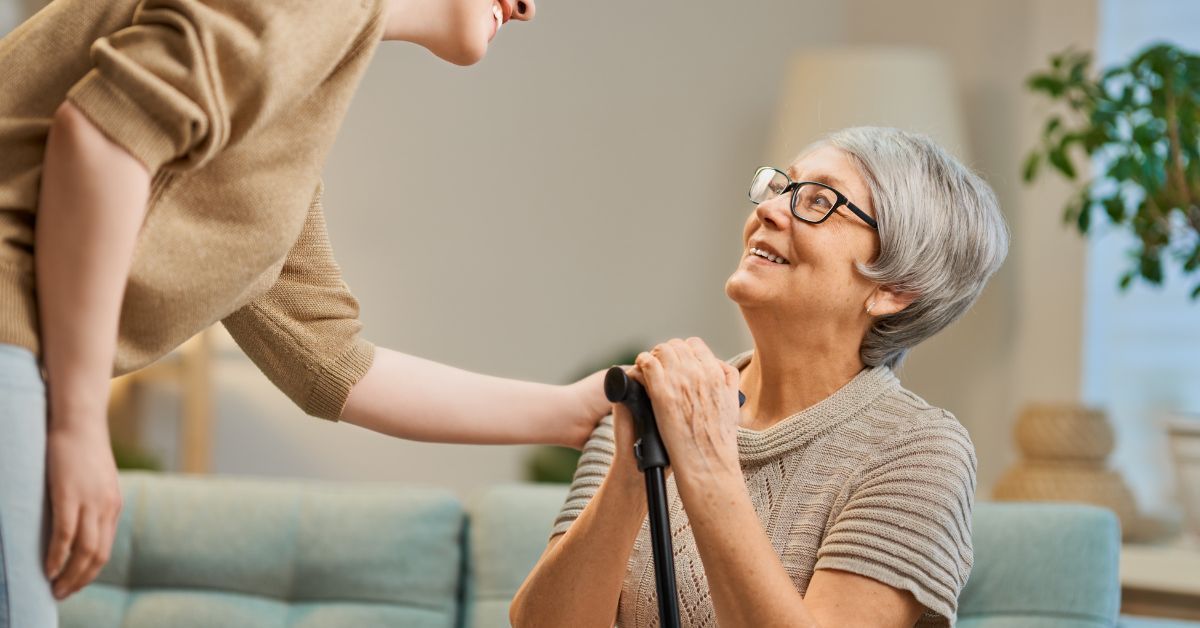
Recovering after an illness, injury or surgery can be challenging, but having family involved can make the experience feel more comfortable and reassuring. A kind conversation, a familiar face and steady encouragement can help your loved one stay focused on the progress they're making, one step at a time.
Stay Connected Throughout the Healing Process
Regular visits and meaningful conversations remind your loved one they are not facing recovery alone. Listening to their concerns, celebrating small milestones and offering words of encouragement can help build confidence throughout rehabilitation.
You can also support their care by:
- Attending care plan meetings when possible.
- Staying in touch with the rehabilitation team.
- Encouraging therapy goals during visits.
- Bringing familiar personal items to make their room feel more like home.
Prepare for a Smooth Transition Home
As your loved one gets closer to returning home, family involvement becomes even more important. Working together with the care team can help make the transition more comfortable and less stressful.
Simple ways to prepare include:
- Removing trip hazards and clearing walkways.
- Installing grab bars or handrails if needed.
- Following the discharge instructions provided by the care team.
- Making sure any needed equipment is ready before they arrive home.
Recovery Is Stronger When Families Work Together
Skilled nursing and rehabilitation programs give your grandparents the professional support they need to recover fully and stay active in family life. Above all, the combination of expert therapy and your involvement creates the best outcomes. When you partner with a dedicated care team, your loved ones regain the strength and confidence to participate in precious moments with grandchildren. Contact Brookside Commons at 248-986-2492 to start your grandparents' journey toward recovery and renewed independence.
FAQs
Q1. What types of therapy programs are available in rehabilitation centers?
Rehabilitation centers offer three core programs: physical therapy to rebuild strength, balance and mobility; occupational therapy to restore daily living skills like bathing, dressing and cooking; and speech therapy to address communication and swallowing difficulties.
Q2. What's the difference between skilled nursing facilities and long-term care?
Skilled nursing facilities provide short-term, intensive rehabilitation and medical care focused on helping seniors recover and return home after surgery, illness or injury. Long-term care, offers ongoing assistance with daily activities for those who need permanent support and may not be focused on recovery or discharge.
Q3. How can families help their aging grandparents during rehabilitation?
Families can support recovery by attending care plan meetings, celebrating small milestones, listening actively to concerns and maintaining positive attitudes. Practical help includes providing nutritious meals, arranging transportation to therapy sessions and preparing the home for discharge by installing well-being features like handrails and removing tripping hazards.
Recent Posts