

Rehabilitation Center: Planning Your Post-Surgery Recovery
The right rehabilitation center in Farmington Hills can genuinely change the course of your recovery. That's not an overstatement. Whether you need short-term recovery support or around-the-clock skilled nursing, knowing how to prepare for your rehabilitation stay puts you in a better position from day one.
Post-surgery recovery rarely goes smoothly without a solid plan in place.
Communities like Brookside Commons are built to meet you where you are, with care tailored to your specific recovery needs. What follows are the essential steps to plan your post-surgery rehabilitation, so you can focus on healing, not guesswork.
What Services are Typically Included in Post-Surgery Rehabilitation Programs?
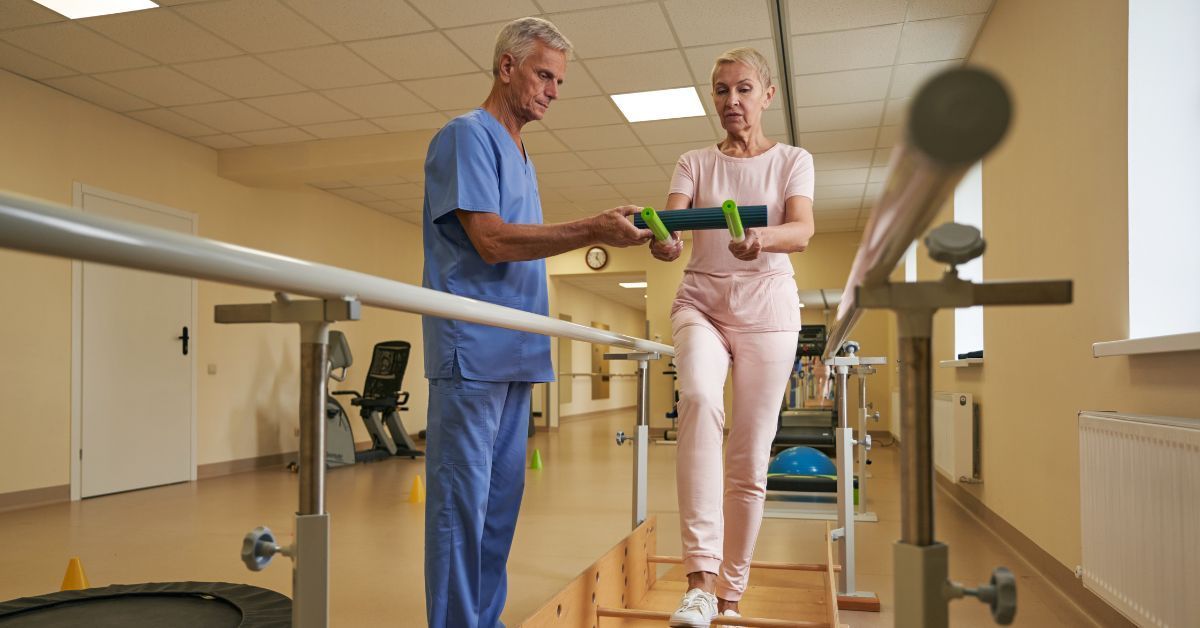
Understanding what's included in post-surgery rehabilitation is essential as you plan your recovery. Programs typically encompass physical therapy to restore mobility and strength, occupational therapy to help you regain independence in daily activities and pain management strategies tailored to your needs.
According to research, effective rehabilitation also addresses nutrition counseling, psychological support and education about your recovery process, all designed to help you heal more completely. (University Health Services, UC Berkley, 2024)
The Optimal Timeline for Pre-Surgery Preparation
The ideal window for prehabilitation is 4 to 8 weeks before surgery, assuming your medical condition allows it. During this period:
- Combined aerobic and resistance training builds cardiorespiratory fitness and muscle strength
- Your body develops the physical reserve needed to manage surgical stress
- You establish habits that carry through into your recovery phase
What Should You Look for in a Rehabilitation Center?
At Brookside Commons, rehabilitation is a collaborative effort centered on your unique recovery journey. Our specialists work together, sharing insights and coordinating care so every part of your plan supports your progress.
When you're evaluating where to recover, look for communities where coordination happens naturally, not as an afterthought. At Brookside Commons, the care team meets regularly to ensure your rehabilitation plan evolves with your needs, giving you the focused attention that makes a real difference in your healing trajectory.
Amenities and Services That Support Your Recovery
Brookside Commons offers an environment designed to assist both your physical recovery and overall well-being:
- Skilled nursing is available around the clock, ensuring you receive consistent support throughout your stay
- Comprehensive therapy services, including physical, occupational and speech therapy, tailored to your specific needs
- Comfortable accommodations that help you feel at ease while you focus on getting stronger
- Nutritious dining options to fuel your recovery with meals prepared on-site
Before choosing any rehabilitation center, ask about nurse-to-patient ratios and verify that staff hold recognized certifications. These details reveal how much personalized attention you'll actually receive. At Brookside Commons, the commitment to quality care shows up in both credentials and daily practice, giving you the confidence to focus on what matters most: your recovery.
How Do You Prepare for Your Recovery Journey?
Getting your home ready before returning from Brookside Commons is just as important as the care you receive during your stay.
Creating a Supportive Environment
Start with what makes the biggest difference in your daily movement:
- Tuck electrical cords behind furniture and clear walkways of any clutter
- Comfortable rugs with non-slip strips or remove them entirely during early recovery
- Add nightlights in hallways, bathrooms and stairwells for nighttime navigation
Bathroom and Daily Essentials
The bathroom is one of the most important areas to prepare before returning home after surgery, as it can be more difficult to move during recovery. Adding grab bars close to the toilet and in the shower, placing non-slip mats on the floor and using a shower chair can provide extra stability and confidence. Depending on your recovery needs, a raised toilet seat may also make it easier and more comfortable to sit down and stand up.
Before you leave Brookside Commons, arrange frequently used kitchen items at waist or shoulder height to minimize bending and straining. Keep medications, water, your phone and other essentials within arm's reach of your resting area. The less you stretch or reach in those early days, the better your body can focus on healing.
Building Your Support Network
Your post-surgery success depends on thorough preparation, after all. Proper planning before your procedure, selecting a qualified rehabilitation community and preparing your home environment all contribute to faster recovery outcomes. Take these steps seriously, because they directly impact your healing timeline and overall results. Ready to discuss your rehabilitation needs? Contact Brookside Commons at 248-986-2492 to explore comprehensive skilled nursing services that support your recovery journey every step of the way.
FAQs
Q1. What services are typically included in post-surgery rehabilitation programs?
Post-surgery rehabilitation programs typically include physical therapy to restore mobility and strength, occupational therapy to help you regain daily living skills, pain management strategies, nutritional guidance to support healing and psychological support.
Q2. When is the best time to start planning for post-surgery rehabilitation?
You should begin planning your post-surgery rehabilitation 4 to 8 weeks before your scheduled procedure if your medical condition allows. This timeframe gives you enough opportunity to arrange your rehabilitation center stay, prepare your home environment and participate in prehabilitation exercises that can strengthen your body before surgery.
Q3. How should you prepare your home for recovery after surgery?
Remove tripping hazards by clearing floors and electrical cords, install nightlights in hallways and bathrooms and add non-slip mats throughout your home. In the bathroom, install grab bars and consider a shower chair. Adjust your bed height so your feet touch the floor when sitting, keep essential items within arm's reach and stock your kitchen with prepared meals before your surgery.
Recent Posts