
The Real Benefits of Independent Living That Every Senior Should Know in 2026
Most seniors picture retirement as staying right where they are — in the home they love, surrounded by familiar walls. And honestly, that makes complete sense. But here's what the research actually shows: the health-related benefits of independent living are often far greater than staying put, with seniors who move into these communities experiencing lower mortality rates and fewer emergency hospital admissions than those who age at home.
The truth is, the best independent living environment doesn't just offer convenience. It brings together accessible healthcare services, meaningful social connections and maintenance-free living in a way that keeps you genuinely active and engaged for longer.
This guide walks you through what independent living for seniors really looks like — from wellness programs to everyday amenities — and gives you an honest look at whether these communities actually deliver what they promise.
What Is Independent Living for Seniors Anyway?
At its core, independent living offers maintenance-free housing within a community built specifically for older adults — typically age 55 and over. These senior living communities are designed for individuals who can manage their daily lives independently, from getting dressed in the morning to cooking their own meals, without needing any hands-on assistance.
How Does Independent Living Actually Work?
Think of it this way: the community takes on the responsibilities that tend to pile up with age, so you don't have to. You live in your own private apartment, cottage or townhome, surrounded by your own belongings. Maintenance, landscaping, housekeeping and laundry are handled for you — no more worrying about a leaky faucet or mowing the lawn.
Who Is Independent Living Really For?
If you're generally healthy, mobile and fully capable of managing your own personal care, independent living could be a strong fit. The age threshold is typically 55 and no assistance with bathing, dressing, toileting or mobility should be needed. It tends to suit seniors who want to downsize, step away from home maintenance or simply be around people again in a setting that feels welcoming.
How Does Independent Living Help Seniors Stay Healthier Longer?
There's a real temptation to think of independent living as mostly a lifestyle upgrade — nicer amenities, less yard work, more things to do. But the health data tells a more compelling story. Seniors who move into community settings see measurable improvements in physical health, preventive care access and even how long they live.
Can Moving to a Community Really Reduce Health Risks?
Here's something that often surprises people: health vulnerability actually increases in the period before a senior moves into housing — and then levels off and declines shortly after the transition. That's not a coincidence.
Wellness programs also help seniors manage chronic conditions that could otherwise quietly worsen at home. Physicians widely recommend regular movement as a frontline approach to managing diabetes, heart disease and cardiovascular conditions — and having structured programs makes it far easier to actually follow through. The result is fewer hospital visits and a noticeably better quality of daily life.
How Do Wellness Programs Keep Seniors Active?
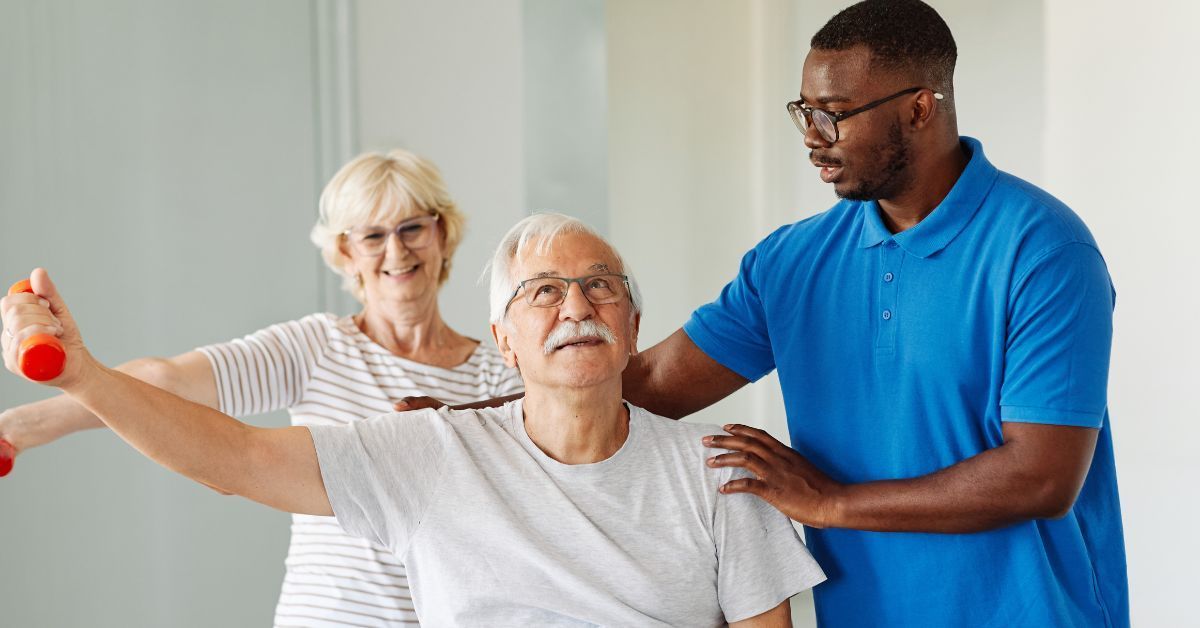
Good wellness programs aren't generic — they're designed with aging bodies and minds specifically in mind. Low-impact options like chair yoga and water aerobics build endurance while protecting joints. On the cognitive side, activities like complex dance routines, strategy games and educational lectures keep the brain challenged and engaged, helping maintain memory and mental sharpness over time.
The combination of physical and cognitive engagement is what makes these programs more than just scheduled activities — they're a genuine investment in staying well, longer.
Why Is the Social Aspect Such a Big Deal?
Good health matters — but so does having someone to share a meal with. Social connection isn't just a "nice to have" in senior living. It directly shapes how long you live and how well your brain functions as you age.
The numbers are hard to ignore. About 24% of community-dwelling adults (Donovan & Blazer, 2020) age 65 and older experience social isolation and loneliness affects 43% of Americans aged 60 and older. That's not a small number — it's nearly half of the senior population.
How Does Peer Support Actually Work in These Communities?
There's something quietly powerful about being around people who genuinely understand where you are in life. Peer connections in these communities create structured routines — weekly meetings, shared meals, group activities — that give each day a predictable rhythm. And the health impact of those connections is measurable: people with strong social relationships show a greater likelihood of survival compared to isolated individuals.
A Better Lifestyle
The picture becomes clearer when you look at all of this together. Better health outcomes, stronger social ties, fewer daily burdens and an overall better environment — these aren't just selling points. They're well-documented realities that independent living communities consistently deliver. Ready to schedule a tour? Call 248-574-8062 to explore Brookside Commons.
FAQs
Q1. What exactly is independent living for seniors and how is it different from other senior housing options?
Independent living provides maintenance-free housing in a community setting for adults typically age 55 and over who can manage all daily activities independently. Unlike assisted living, which offers help with bathing, dressing and medication or nursing homes that provide 24-hour medical care, independent living focuses on social needs and convenience.
Q2. Can moving to an independent living community actually improve my health?
Yes, research shows measurable health benefits. Seniors in independent living communities experience lower mortality rates and fewer emergency hospital admissions compared to those aging at home. Regular fitness activities reduce fall risk and wellness programs help manage chronic conditions like diabetes and heart disease.
Q3. How does social connection in independent living communities affect mental health and longevity?
Social engagement provides significant health benefits. Isolation increases dementia risk and raises mortality risk by, while people with strong social relationships show a greater likelihood of survival. Independent living communities combat loneliness among seniors through daily activities, peer support groups and volunteer opportunities.
Recent Posts